

Why Your Video Strategy Needs a 2026 Refresh
It’s no longer a question of if, but how, marketing teams are using artificial intelligence. With a significant majority already using AI tools, the conversation has moved on. For an Aussie small business owner or freelancer, this isn’t some far-off tech trend. It’s the current reality of staying competitive. Video marketing is no longer a ‘nice-to-have’ item on your to-do list. It has become a fundamental part of your business’s performance, demanding a strategy that is both smart and efficient.
The challenge for 2026 isn’t just about creating more videos. It’s about building an integrated system where technology works for you, not against you. This means finding the critical balance between using AI for speed and efficiency while preserving the human-centric authenticity that actually builds trust with your local customers. We all know that feeling when a piece of content feels robotic or soulless. Your audience feels it too, and they’ll scroll right past it.
If you’re running a small operation, you’re likely short on two things: time and money. We get it. You don’t have a massive production budget or a dedicated video team. That’s why the trends in this guide are framed as practical, intelligent ways to get real results. Whether your goal is to get your brand known in your neighbourhood or to drive actual sales, these approaches are designed to deliver tangible growth without demanding a Hollywood budget. Think of this as your guide to using technology to support your unique human touch, not replace it. For more ideas on how this fits into a bigger picture, you can find broader marketing insights on our blog.
Trend 1: AI-Powered Production Workflows

The thought of producing consistent video content can be daunting for a small team. This is where AI shifts from a buzzword to a practical assistant. It’s about reclaiming hours from your week by automating the repetitive, time-consuming tasks that bog down the creative process. This is a core lesson in how to use AI for video effectively.
From Idea to Asset in Record Time
Imagine going from a rough idea to a finished video asset in a fraction of the usual time. AI tools can now generate initial script drafts, create organised shot lists, find suitable B-roll footage, and add accurate captions automatically. According to a report from WordStream on creative workflows, these tools can cut production time by 40-60%. For a small business, that doesn’t just mean faster content. It means saving real money on labour and getting your message to market while it’s still relevant.
Scaling Content without Scaling Your Team
In the past, creating dozens of video variations for different platforms or for A/B testing was a luxury reserved for companies with big marketing departments. Now, a solo operator can take one core video and use AI to quickly generate multiple versions. You can create a square version for Instagram, a vertical cut for TikTok, and several ad variations with different hooks, all without needing to hire an extra editor. This allows you to test what resonates with your audience and double down on what works, all with the resources you already have.
Navigating Audience Scepticism with a ‘Co-Pilot’ Approach
Here’s the crucial part: audiences are getting smarter. They can often spot purely AI-generated content a mile away, and it can feel impersonal, damaging the trust you’ve worked hard to build. The key is to use AI as a ‘co-pilot’, not the pilot. Use it to generate the first draft of a script, but have a human refine the tone and inject your brand’s personality. Use it to find footage, but have a human editor ensure every clip aligns with your message. This hybrid approach gives you the efficiency of machines and the irreplaceable value of human creativity. To get started, you can explore categories of AI video editors, voiceover generators, and content repurposing platforms from our curated list of helpful resources.
Trend 2: The Unstoppable Rise of Vertical Short-Form Video
If you’re targeting almost any demographic in Australia today, particularly younger ones, short-form vertical video is no longer an optional extra. It’s the baseline. Platforms like Instagram Reels, TikTok, and YouTube Shorts are where attention is concentrated, and your short-form video strategy needs to be built for this environment from the ground up. As Vidico highlights, its dominance in social media engagement is undeniable. This means thinking differently about how you create and present your content.
A core principle here is ‘silent-first’ design. We’ve all done it: scrolling through our feeds on the train or while waiting for a coffee, with the sound off. If your video relies on audio to make sense, you’ve already lost a huge portion of your audience. The visual story, dynamic on-screen text, and clear, easy-to-read captions must carry the entire message on their own.
This is another area where AI can be a massive help. You can take one long-form video, like a product demonstration or a webinar, and use an AI tool to intelligently identify the most engaging moments. It can then automatically clip and reformat them into multiple vertical videos, complete with captions. This approach maximises the return on your initial content creation effort, turning one big project into a month’s worth of social media posts. And when you’re creating and repurposing so many files, having a reliable place to keep them organised, like with our secure cloud storage, becomes essential.
To stand out in a fast-moving feed, your visuals need to be ‘thumb-stopping’. Here are a few practical tips:
- Hook them in 1-2 seconds: Start with your most visually interesting, surprising, or action-packed shot. Don’t waste time with a slow intro.
- Use bold text overlays: Summarise key points or add context that’s easy to read on a small screen, even without sound.
- Think in 9:16: Frame your shots vertically from the start. Don’t just crop a horizontal video and hope for the best. The composition matters.
- Prioritise movement and bright colours: Create visual energy that grabs attention and makes someone pause their scroll.
- Deliver value instantly: Whether it’s a quick tip, a laugh, or an inspiring moment, get to the point immediately.
Trend 3: Interactive Video That Drives Action
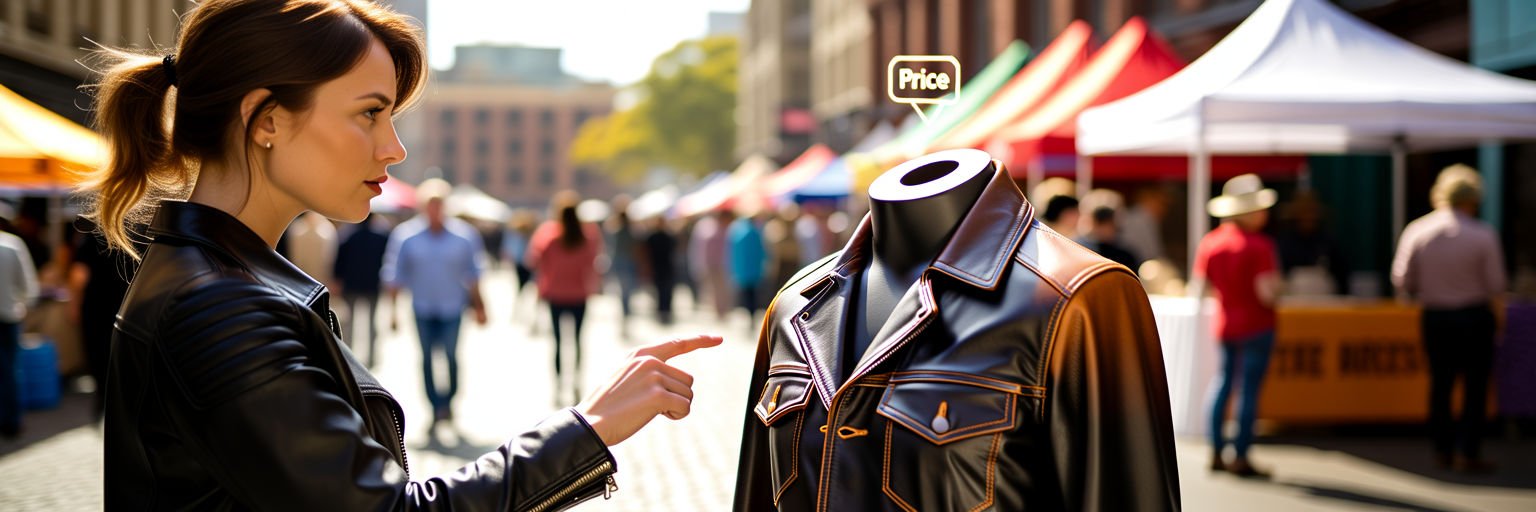
For years, video has been a passive experience. Your audience watches, and you hope they take action afterwards. Interactive video flips this on its head, turning viewers into active participants. The impact is significant. As research from Green Frog Labs shows, interactive formats can achieve click-through rates up to ten times higher than standard, linear videos. This is because you’re not just talking at your audience; you’re starting a conversation with them.
Using interactive video for business means collapsing the traditional sales funnel. A customer can learn about a product, explore its features, and even make a purchase, all within a single piece of content. This reduces the friction that causes people to drop off between seeing an ad and visiting a website. It’s about giving them the answers they need, right when they’re most engaged.
Perhaps the most powerful benefit is the data you gather. Every choice a viewer makes within the video provides invaluable insight into their needs, preferences, and intent. If they click on a certain feature or choose a specific path in a story, you learn exactly what matters to them. This first-party data is gold for creating smarter, more effective retargeting campaigns. Here are the key elements you can implement:
- Branching Narratives: Let viewers choose their own adventure. A real estate agent could let a viewer decide which room to explore next, creating a personalised virtual tour.
- Clickable Hotspots: Tag products, people, or objects in the video. A chef could tag the kitchen tools they’re using, linking directly to a product page.
- Embedded Quizzes and Polls: Engage your audience by asking for their opinion or testing their knowledge. A financial advisor could use a quick poll to gauge their audience’s biggest investment concerns.
- In-Video Forms: Capture leads directly within the video player. You can prompt viewers to sign up for a newsletter or request a quote without ever making them leave the video.
Trend 4: The Seamless Integration of Shoppable Video
Shoppable video represents the ultimate convergence of content and commerce. It closes the gap between inspiration and purchase, creating a frictionless path from “watch now” to “buy now.” Imagine a customer watching a home renovation tutorial on their phone. They see a power tool they like, tap on a tag that appears on-screen, see the price, and add it to their cart without ever leaving the video. This isn’t a futuristic concept; as Envato Elements reports, it’s a rapidly growing part of social commerce.
Crucially, this trend isn’t just for e-commerce brands selling physical products. Service-based businesses can use it just as effectively. A business consultant can link directly to their Calendly booking page from a video explaining their process. A fitness instructor can tag a link to their class packages during a workout demonstration. A local tradie can create a video showcasing a finished job and include a clickable hotspot for viewers in their service area to request a quote.
The functionality is often platform-dependent, so it’s important to research the capabilities of the platforms where your Aussie audience spends their time, like Instagram, TikTok, and Pinterest. The key is to make the purchase feel like a natural next step, not an aggressive sales pitch. This is often about building a narrative of value first. For example, brands selling premium products use video to showcase craftsmanship and materials, justifying the price before the ‘buy now’ button ever appears. It’s similar to how one might analyse the seven hallmarks of a true luxury iPhone case to understand its value. Once that value is established, clicking to buy from our shop feels like a logical conclusion for the viewer.
Trend 5: Hyper-Personalisation at Scale

In 2026, personalised video marketing goes far beyond just inserting a customer’s first name into a generic template. It’s about using data and AI to tailor the entire video experience to an individual or a highly specific audience segment. This means the hook they see, the visuals they’re shown, the offer they receive, and the call-to-action they’re given can all be dynamically adjusted based on what you know about them.
The results of this approach can be astounding. As highlighted by 336 Productions, some B2B sales teams using personalised video messages in their outreach have seen triple-digit increases in response rates. Why? Because it cuts through the noise. A video made just for you is impossible to ignore.
This might sound like something only a massive corporation could pull off, but the technology is becoming increasingly accessible for small businesses. Think of these relatable examples:
- An e-commerce store sending an automated video to a customer who abandoned their cart, showing the exact product they left behind and offering a small discount.
- A software company sending a new user an onboarding video that greets them by name and references the specific plan they signed up for.
- A local cafe sending a loyalty video to a regular customer, mentioning their favourite coffee order and inviting them in for a free pastry.
The technology behind this typically involves connecting a dynamic video platform to your Customer Relationship Management (CRM) system. The video platform pulls data from your CRM and automatically inserts it into predefined fields within the video. While it sounds complex, many platforms are focusing on making this process more user-friendly, putting the power of hyper-personalisation into the hands of smaller operators who want to make every customer feel seen.
Trend 6: The Unshakeable Trust in Authentic Content
As polished, AI-assisted, and perfectly produced content becomes the norm, a fascinating counter-trend has emerged: the ‘authenticity gap’. Audiences are becoming so accustomed to slick marketing that they now crave and trust raw, human, and unpolished content more than ever. This is one of the most important video marketing trends Australia has embraced, as Aussies have always valued a straight-talking, genuine approach.
There’s a simple psychology at play here. A ‘lo-fi’ video, perhaps shot on a phone with shaky hands and imperfect lighting, can often outperform a high-budget production. Why? Because it feels real. It feels like a recommendation from a mate, not a sales pitch from a corporation. As research from Mountain confirms, consumers place far more trust in this kind of creator-style content than in traditional branded ads.
So, how can your business tap into this? The most powerful way is by encouraging and leveraging user-generated content (UGC). Run a contest asking customers to share videos of them using your product. Create a unique brand hashtag and feature the best customer videos on your own channels (always with permission, of course). This not only provides you with a stream of authentic content but also turns your customers into your most passionate advocates.
Beyond UGC, it’s about adopting a ‘creator mindset’ yourself. Don’t be afraid to show the human side of your business. Film some behind-the-scenes footage of your team at work. Create a ‘day-in-the-life’ vlog showing the challenges and triumphs of running your business. Record a simple, direct-to-camera video where you, the founder, speak honestly to your audience about your mission. This humanises your brand and builds a level of connection that no amount of polish can replicate.
Trend 7: The Winning Hybrid Model

The most successful video strategies in 2026 won’t be about choosing between AI and humans. They will be about intelligently blending the two. This final trend is the synthesis of everything we’ve discussed. It’s about creating a hybrid model where technology handles the heavy lifting, freeing up your human talent to focus on what truly matters: strategy, creativity, and connection.
This approach requires a clear delineation of roles. AI is your tireless worker, and your team provides the vision and the heart. Think of it this way: AI handles the ‘how’, while humans determine the ‘why’. This table clarifies how to delegate tasks in a modern video workflow, using AI for scale and efficiency while reserving human talent for the elements that build a lasting brand.
| Task Category | Best Suited for AI (The ‘How’) | Best Suited for Humans (The ‘Why’) |
|---|---|---|
| Ideation & Strategy | Generating topic ideas, script variations, and keyword research. | Defining campaign goals, brand narrative, and target audience strategy. |
| Content Creation | Sourcing B-roll, generating captions, creating initial edits, and voiceovers. | On-camera performance, final editing decisions, and ensuring emotional resonance. |
| Distribution & Optimisation | A/B testing hundreds of variations, scheduling posts, and auto-formatting for platforms. | Interpreting analytics, engaging with community comments, and relationship building. |
| Analysis & Reporting | Processing vast amounts of performance data to identify patterns and correlations. | Drawing strategic insights from the data to inform future creative direction. |
Let’s make this tangible with a workflow example. A human strategist decides the campaign will focus on customer testimonials. AI generates five different script variations. A human refines the best one to match the brand’s voice. A person films the testimonial. An AI editor then creates ten different 15-second cuts for social media testing. Finally, a human analyst reviews the performance data to see which cut resonated most, informing the creative direction for the next campaign. This is the efficient, powerful, and human-centric future of video production, and it’s the kind of integrated approach we help businesses implement with our comprehensive services.
Putting It All Together for Your Business
We’ve covered a lot of ground, from AI co-pilots to shoppable videos. The core message running through all these trends is simple: use technology for efficiency, but lead with human authenticity. The tools are getting smarter, but they are still just tools. Your unique story, your connection with your community, and your genuine passion are what will ultimately win customers.
Feeling overwhelmed? Don’t be. The key is to avoid trying to do everything at once. These are some of the most important small business video marketing tips for the coming year, but you don’t need to master them all overnight. Pick one or two trends that feel most relevant to your business and start experimenting. If you run a retail business, perhaps start with shoppable video on Instagram. If you’re a consultant, try sending a few personalised videos to high-value prospects.
Remember that even the most brilliant video campaign needs a solid foundation to succeed. Your efforts will be far more effective when supported by a professional website, reliable hosting, and a clear brand identity. Technology is here to help you tell your story more effectively, but the goal remains unchanged: human connection. The winning strategy for any Aussie business is using these tools to create authentic moments that resonate locally. If you’re ready to build that solid foundation and bring all your digital efforts together, explore how Digital Fusion Hub provides an all-in-one solution.